
Criminal defense that starts with the why
You’re not the worst thing you’ve been accused of.
20 years of criminal defense, and we start by listening to what actually happened.
A false accusation. Police misconduct. Something in your life that went wrong long before the case did. Whichever one you’re facing, we find the real reason you’re sitting here — and we build everything around it.
Schedule Your Consultation
Confidential inquiry to our elite defense team.






William V. Pernik
Founder · Certified Specialist in Criminal Law
State Bar of California, Board of Legal Specialization
— Our purpose
Why I started this criminal defense firm
I spent years as a public defender in Monterey County. I stood next to a lot of people on the worst day of their life.
After a while, something started to bother me. The system was very good at asking what someone did, mostly so it could punish them. It was almost completely uninterested in why.
But the why really matters, and most of us don’t realize how much.
When an innocent person gets charged with a crime, there is almost always a reason behind it. A witness who lies because of a hidden bias. An informant who was promised a break in his own criminal case. A domestic case where winning in court could mean a lot more money, or sole custody of the children. An expert who reaches the wrong conclusion because it rests on bad facts or false evidence. And almost always, someone willing to accept what they want to hear and file a case without looking further — confirming a theory instead of investigating objectively.
Read the full storyShow less
Cases like that aren’t usually won by presenting your version of the facts against theirs. They’re won by uncovering and exposing the reasons the other side is wrong. Being able to see the case from the perspective of every person involved in it is what gives you insight into what really happened, and what allows for far better advocacy — with the prosecutor, the judge, or your jury.
I had a client charged with two counts of attempted murder. He was accused of slashing two throats in less than twenty-four hours. That is extremely hard to defend, because the jury has to believe self-defense twice, against two separate people. But we dug deep and exposed a connection between them, and it changed everything in the case. When someone attacks you and you successfully fight them off, their loved ones may come after you the following day, forcing you to defend yourself again. That why saved an innocent man’s life, when he was facing two separate life sentences.
I have used this approach in countless other cases. I’ve had a client charged with murder walk out acquitted. I’ve had a three-strikes DUI with serious injuries collapse because the state couldn’t prove our client caused the collision. Domestic violence charges have been dismissed, reduced, or tried to acquittal where we identified the reasons the accuser was lying or exaggerating, or the reasons the police were wrong. The same in sex cases, robberies, burglaries, and many more. What you can’t see at first but can come to understand, you can explain — and that one thing can save someone’s freedom, and someone’s life.
The second kind of why is harder to see, and it does a lot more damage. The veteran who came home from a deployment and was never treated for what happened to him. The mother who started drinking after she buried her son. The young man with a mental illness nobody ever diagnosed, arrested three times now for the same behavior.
That why isn’t in the file at all, and nobody in the building is assigned to find it. The prosecutor has a charge. Probation has a form. The court has a calendar. So the case moves, the person takes a deal, and a year and a half later they’re back — because nothing that caused their case was ever touched, or if it was, it was only scratched at the surface. That’s what keeps people in this system for a decade. Sometimes for generations.
And then there is a third thing almost nobody puts on: who you actually are. People assume character is something you raise at sentencing, after you’ve already lost. It isn’t. In California a jury can be told that evidence of your character — for honesty, for nonviolence, for peacefulness — may on its own be enough to raise a reasonable doubt. That instruction exists. Most lawyers never earn the right to ask for it, because using it means knowing a client well enough to find the people who will come and say it under oath.
So we ask about your life. Where you work and who you work for. Whether you coach, served in the military, or show up at the same church every Sunday. What forty years of your record looks like next to one bad night. Who would take a day — or sometimes weeks — off work to sit in a courtroom for you, and what they would say there if called to the stand.
I have seen how much this matters when a jury decides whether to believe the charges. Jurors don’t know anyone in your case, so hearing from people who know you is important social proof that you can be trusted. It affects what the prosecutor is willing to offer. It affects what a judge sees when choosing between a program, a diversion motion, or a prison cell. A charge is a photograph taken by a stranger on your worst day. Our job is to show the court the rest of the album.
I started this firm to change the way we defend people facing criminal charges. To find out not only what happened but why, and to solve the reasons behind your legal problem in a way that makes everyone see you differently. To identify the one thing that changes everything in your case, and focus our efforts on it.
That’s much harder than pleading a case out. It takes an investigator, a research attorney, doctors and counselors who will testify, and a lawyer willing to try the case when the offer isn’t good enough.
We call this approach purpose-driven criminal defense. What it means in practice is that we always start with the why — and then we follow the path the why reveals.
WHERE WE PRACTICE
One team. Five counties. Three offices.
Local knowledge matters more in criminal law than in almost any other area. The same charge is handled differently in Salinas than it is in San Jose — different prosecutors, different judges, different programs available.
Central Coast Salinas & Monterey Offices
Monterey County (Salinas & Monterey)
William is a former Monterey County public defender, and much of our team lives and works here. We know this courthouse better than any other.
Santa Cruz County (Served from San Jose & Salinas)
We’ve defended clients here for more than ten years. The county has unusually strong treatment and community programs, and we use them to get clients the help they deserve.
San Benito County (Hollister)
A small county with its own way of doing things. We’ve worked here continuously for over a decade, and know how to get justice against the odds in conservative rural jurisdictions.
Silicon Valley & Peninsula San Jose Office
Santa Clara County (San Jose)
A third of our team is based here. Two of our attorneys teach law in San Jose, and one is a former Santa Clara County deputy public defender.
San Mateo County (Redwood City)
A tough prosecutor’s office that charges aggressively. Cases here need to be taken seriously from day one.
WHAT WE’RE PROTECTING
The charge is not the real problem. What it costs you is.
Most people call us worried about jail. That’s real, and we fight it hard. But the damage from a criminal case usually runs wider than that, and it lasts longer. From the first day, we’re working to protect:
Which of these matters most is different for every person. So we ask.
The first real question in a consultation isn’t about the charge. It’s what you’re actually trying to protect. For one client that’s a nursing license. For another it’s staying in the country, or staying in their children’s lives, or being able to look their mother in the eye at the end of this.
Your answer changes the defense — what we fight hardest for, what we’re prepared to trade, and what we won’t negotiate on at any price. A lawyer who never asks that question is defending a case. We’re defending a person, and those are not the same job.
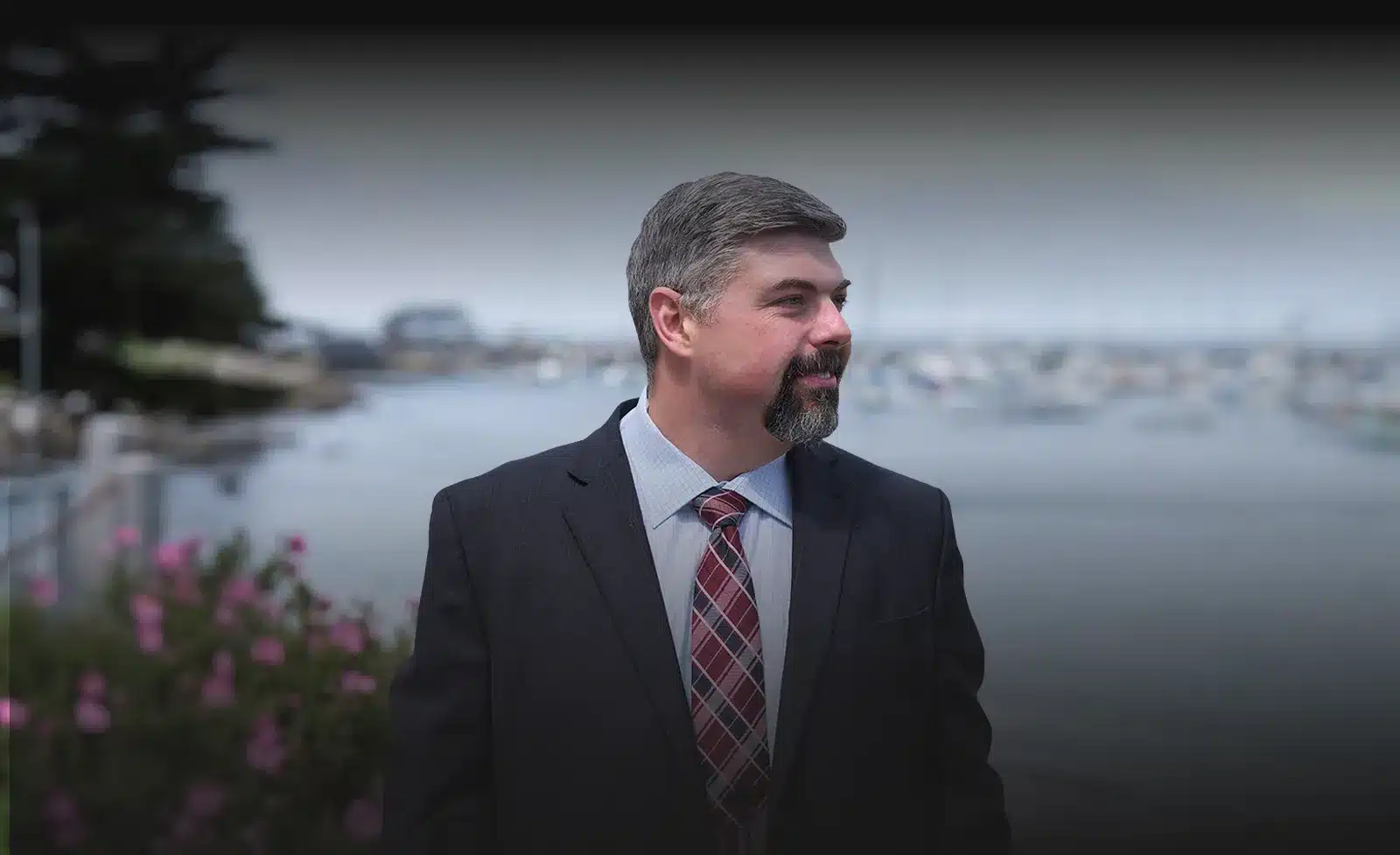
WILLIAM V. PERNIK
FOUNDER & CERTIFIED CRIMINAL LAW SPECIALIST
DEFENDING A PERSON, NOT A CASE
“A charge is a photograph taken by a stranger on your worst day. Our job is to show the court the rest of the album.”
Most of our clients are in one of three situations.
We don’t believe in one-size-fits-all defense. Here is where most people find themselves when they call us.
You didn’t do it.
You’re being accused of something you didn’t do, and nobody seems to be listening. It might be a lying accuser, a witness who picked the wrong face, a rushed investigation, or a forensic test that isn’t as reliable as it sounds.
We investigate it ourselves. Our in-house investigator is a retired detective — he knows how these cases get built, because he used to build them. We find the inconsistencies, the motive nobody looked for, and the questions the police never asked.
The police crossed a line.
You were pulled over for no real reason. Your car or your home was searched without a warrant. You were questioned after you asked for a lawyer. The court is not treating you fairly.
We read every report, every body-camera file, and every log. When your rights were violated, we file a motion to throw the evidence out. Cases end that way more often than most people know.
Something went wrong before the case did.
Untreated PTSD. Addiction. A mental illness nobody caught. Grief you never got help with. Postpartum depression. Anxiety that made you flee the scene of an accident. You’re not a criminal — you’re someone who was struggling, and it ended in an arrest.
We work with doctors, counselors, and treatment programs to build a real plan, and we take it to the judge. California law provides for this — mental health, veterans, and drug diversion can result in charges being dismissed entirely.
And if you’re not sure which one you are — call anyway. That’s the conversation.
Comprehensive Defense
DEFENDING CLIENTS IN SANTA CLARA, MONTEREY, SANTA CRUZ & SAN BENITO COUNTIES | TOP CALIFORNIA DUI & CRIMINAL DEFENSE LAWYERS
HOW WE WORK
How we build a criminal defense
Every case we take goes through the same three steps — in this order, for a reason.
STEP ONE
Start with you.
Most lawyers start with the police report. We start with the person.
The first conversation is about your life, not the charge. Who you are. What kind of person you are. What the last year has looked like. What you’ve been carrying that nobody has asked about. Whether anyone ever properly diagnosed or treated it. Clients are often surprised by how personal that first meeting is. It’s personal because everything else depends on it.
Once we understand you, the report reads differently. We know which questions to ask of it, why the officer’s account doesn’t match the person across from us, and where somebody assumed something about you that isn’t true. You can’t see what’s wrong with a report until you know who it’s describing.
STEP TWO
Solve what’s actually driving it.
Real help for the real problem.
If something in your life other than a false accusation led you here, we help you get real help. We’ve spent years building relationships with doctors, therapists, addiction specialists, and trauma counselors across these counties. We know which programs judges here respect, which ones work, and which ones don’t. This isn’t paperwork for the court file — it’s treatment that works.
And where the case itself is built on bad facts, we take those facts apart. Our in-house investigator works your case directly — most firms hire that out, and things get missed.
STEP THREE
Make the court see you.
The person first, then the case.
Then we put all of it in front of the prosecutor and the judge. Not as an excuse — as the truth of what happened and proof that you’re already dealing with it. We use it to get charges dismissed through diversion, to protect professional licenses, to keep pleas from triggering immigration consequences, and when the offer still isn’t good enough, to try the case.
The same approach makes our trial lawyers far more effective. Jurors don’t want to accept your claims on faith — they need a reason to believe you, and this gives it to them. And if the judge rules against you and we think the ruling is wrong, we can challenge it by writ in the Court of Appeal while your case is still open — not years later, after you’ve already served the sentence.
CASE RESULTS
Recent case results, and what they protected.
Names and identifying details have been removed. Not every case ends this way — but this is the kind of work we do.
| The charge | What happened |
|---|---|
| Murder | He had been a fugitive for years over a murder he did not commit. We proved the evidence matched the informant, not our client. The jury returned a verdict of not guilty. |
| Attempted murder | Our client confronted a man who was harassing his girlfriend. The fight put him in a chokehold, and he used a knife to break free. We resolved the case as an assault, protecting him from a life sentence. He is out, and they are still together. |
| Attempted murder | A neighbor dispute became an attempted-homicide prosecution when the accuser claimed our client fired a gun at him and his girlfriend. We exposed the lies. The jury convicted only of assault with a firearm. He is home with his family. |
| Rape | An accusation made during a custody dispute. We found witnesses to a consensual relationship that continued long after the marriage ended, and argued our client reasonably and in good faith believed he had consent. Acquitted. |
| Sexual assault | A woman said our client attacked her and her friend in a park at night. Police found her injured and our client running. We proved that she and her friend had attacked and tried to rob him. Verdict: not guilty. |
| Domestic violence | She endured years of lies and abuse until the day she fought back. We persuaded the District Attorney to dismiss her case and give her a new future. |
| Domestic violence — decorated soldier | Combat trauma, and a case that threatened his retirement and his Army career. We fought it for more than four years, including an appellate reversal, and won a dismissal after diversion that neither the court nor the DA wanted to give. He continued to serve, and finally got help for his PTSD. |
| Kidnapping | The government charged kidnapping after a shootout left a man mortally wounded and our client drove him toward the hospital. We litigated until the charge was dismissed and the case resolved fairly. |
| Child abuse | Our client grew up in an abusive household and carried untreated mental health issues into his own parenting, which led to over-discipline. We obtained diversion, got him real help, and kept his record clear of any conviction. |
| Felony DUI — veteran | Military service, psychological trauma, and a felony that threatened everything. We got him treatment through Veterans Court, avoided incarceration, and protected his record. |
| Domestic violence — police officer | A conviction, or the loss of his right to carry a firearm, would have ended his law-enforcement career. We obtained an exception allowing him to carry at work and got the case dismissed through diversion. He still serves his community. |
| DUI — CHP officer | Prior military service, and a DUI that threatened to end his career. Dismissed through military diversion — and he finally got help he had needed for years. |
| Self-defense | Video showed our client knocking a former subcontractor to the ground outside a supermarket. We proved the other man had stalked and harassed him for months. The tape had no audio, so the jury never heard the threat our client heard. Acquitted. |
| Fraud — licensed nurse | An accusation that would have ended her career. We saved her license through mental health diversion. Case dismissed, job intact. |
| Workers’ compensation fraud | An agricultural worker whose pain every expert agreed could not be real. We uncovered the mental health condition behind the claim, and diversion saved his freedom and his record. He got help he did not know he needed. |
| White-collar fraud | A contractor who had gone without workers’ comp coverage, facing restitution plus penalties that would have followed him for years. We worked with the prosecution on reimbursement and obtained a misdemeanor with no jail, saving him tens of thousands in interest and penalties. |
Results depend on the specific facts and circumstances of each case. Every case is unique, and prior results do not guarantee or predict a similar outcome in any other matter. Client names and identifying details have been omitted or changed.
Verified Client Experiences
Read how our purpose-driven criminal defense advocacy restores careers, families, and futures when the stakes are highest.
OUR TEAM
A criminal defense team to turn to when everything is on the line
We’re trial lawyers, law professors, mental health advocates, and advocates for criminal-justice reform. Several of us came out of public defender offices. When the Legislature published an error in a new diversion statute, we wrote to the Legislative Counsel Bureau to get it corrected — and shared the template so other defense attorneys could do the same.


Most of us started in public defender offices.
William and Alex started as public defenders in the Central Valley. Nas was a deputy public defender in Santa Clara County. Alana Wilson and Dustin Ercolano came up through public defender internships in Marin and Santa Clara. Ashley worked with William on court-appointed cases earlier in her career.
That’s where you learn this work — hundreds of cases, real trials, and the kind of local knowledge you only get from standing in the same courtroom every day for years. We took the best of it with us and left the worst behind. Read the whole story →
We know the judges and prosecutors here.
Not from a directory. From appearing in front of them week after week, for years, and knowing which arguments land with which judge.
Our investigator works here full time.
Most firms outsource investigation, or skip it. Ours is a retired detective who sits in our office and works your case from the beginning.
A lawyer whose full-time job is research and writing.
Motions win cases quietly, before a jury ever hears anything. We have an attorney dedicated to finding the legal argument and writing it properly.
When a judge gets it wrong, we don’t just accept it.
We take it up to the Court of Appeal by writ — while the case is still open and it can still change the outcome. Very few defense firms do this.
We try cases.
Prosecutors know which lawyers will actually go to trial. That knowledge shapes every offer you get.
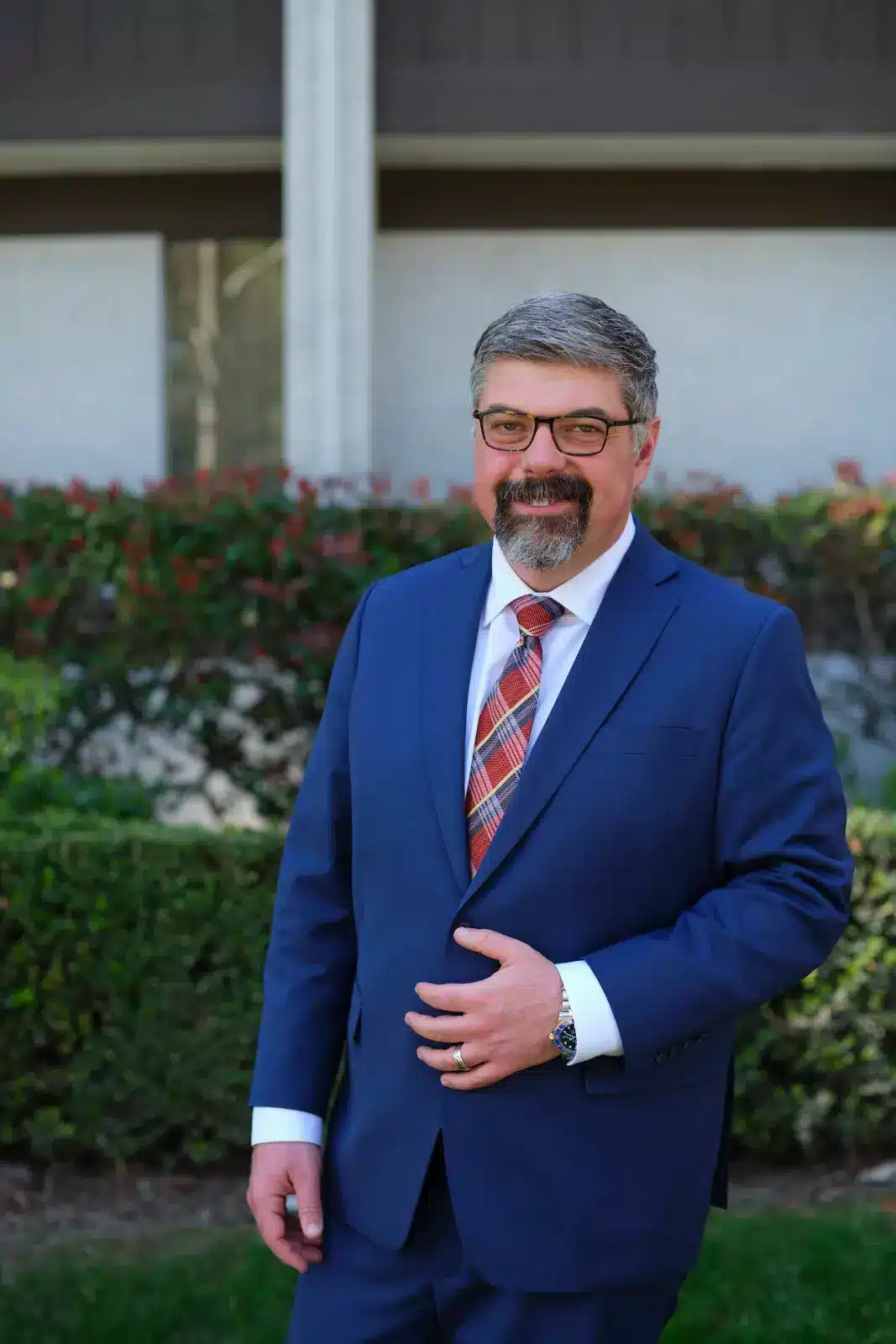
William V. Pernik
FOUNDER & CERTIFIED CRIMINAL LAW SPECIALIST
William Pernik is the founding attorney and a Certified Specialist in Criminal Law with extensive experience as a public defender and private defense attorney. He specializes in complex and serious criminal cases, including violent crimes, gang cases, and cases involving mental health, substance abuse, and veterans, and is known for achieving acquittals, dismissals, and strategic case resolutions.
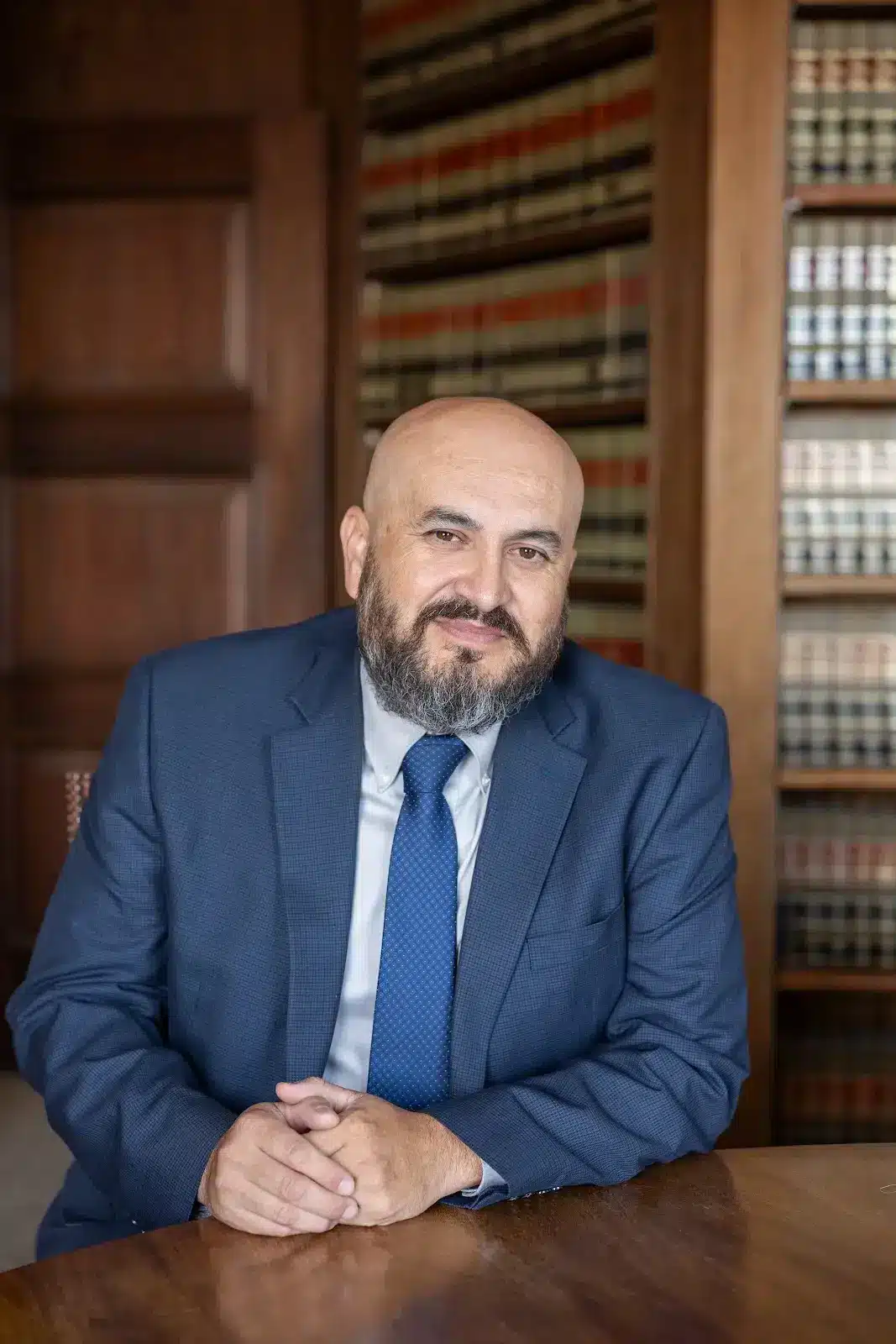
Alexander Martin
SENIOR TRIAL ATTORNEY
Hablo EspañolNative Spanish Speaker
Alexander “Alex” Martin is a criminal defense attorney with over 18 years of experience handling serious felony and misdemeanor cases throughout California. A seasoned trial lawyer, he has taken more than 75 jury trials to verdict and is known for his strategic, results-driven defense. As a native Spanish speaker, Alex also provides direct representation to Spanish-speaking clients.
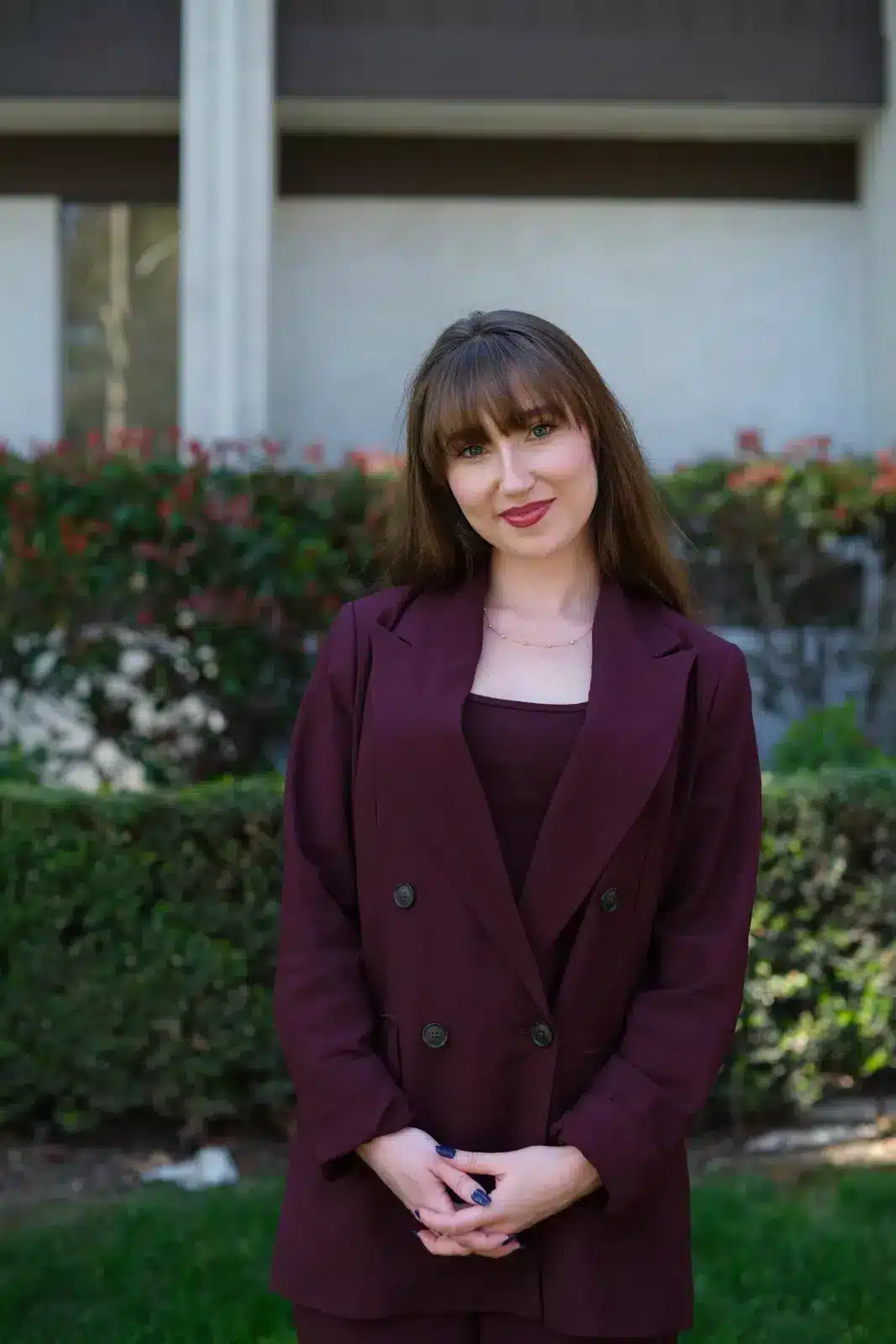
Ashley Cameron
ATTORNEY & LEAD RESEARCHER
Ashley provides high-level research and persuasive writing that identifies strategic gaps standard defense models often miss. In her role, she crafts precise, compelling motions to ensure every legal argument is strategically sound. A former President of the Monterey County Women Lawyers Association, her commitment to collaborative advocacy is a cornerstone of the Pernik Law method.
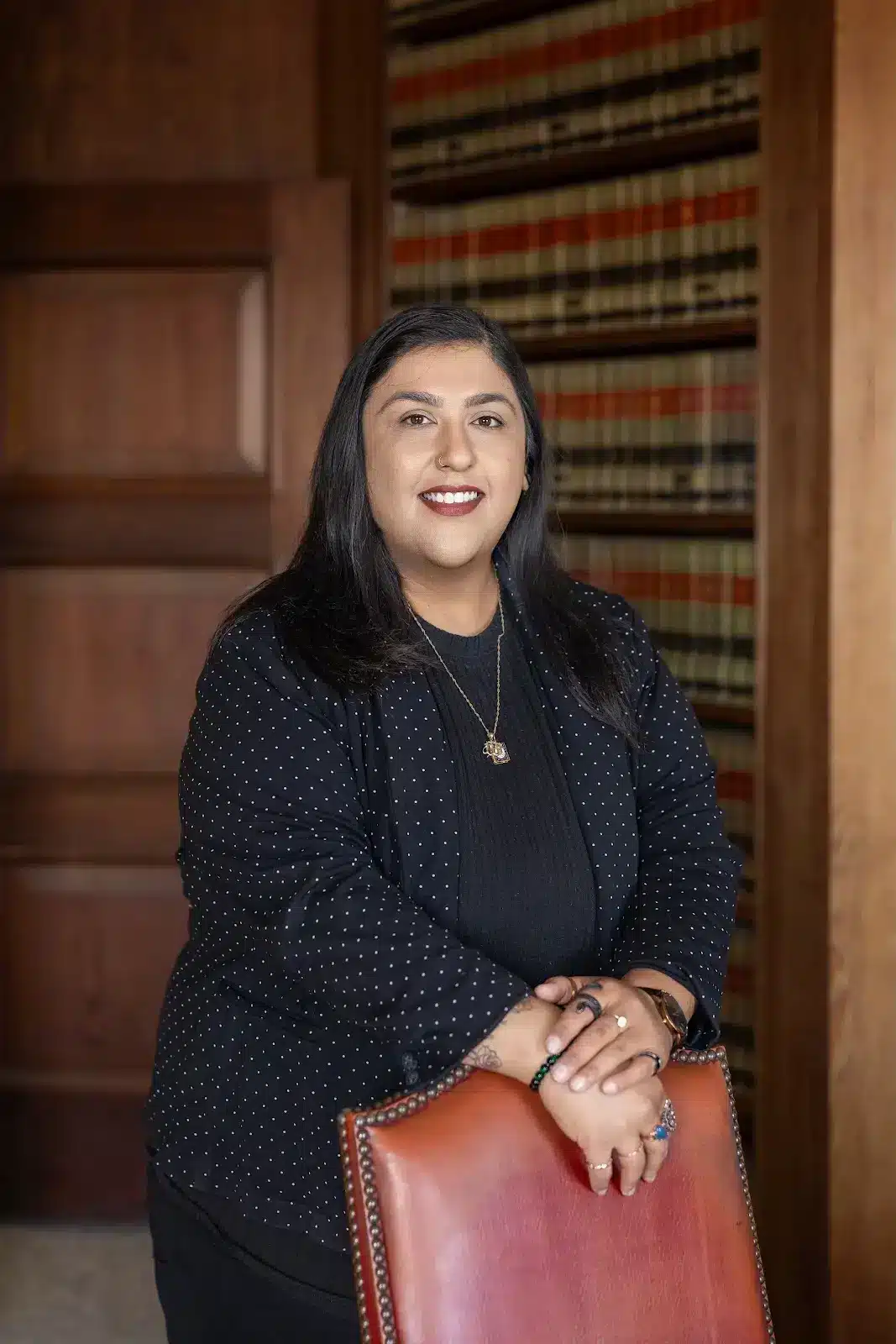
Nas Yasin
TRIAL ATTORNEY
Nas Yasin is a criminal defense attorney serving clients throughout Silicon Valley and the Central Coast, with experience in criminal defense, immigration, civil rights, and human rights law. A former Deputy Public Defender in Santa Clara County, she has represented clients through every stage of the criminal process and is a dedicated advocate both inside and outside the courtroom.
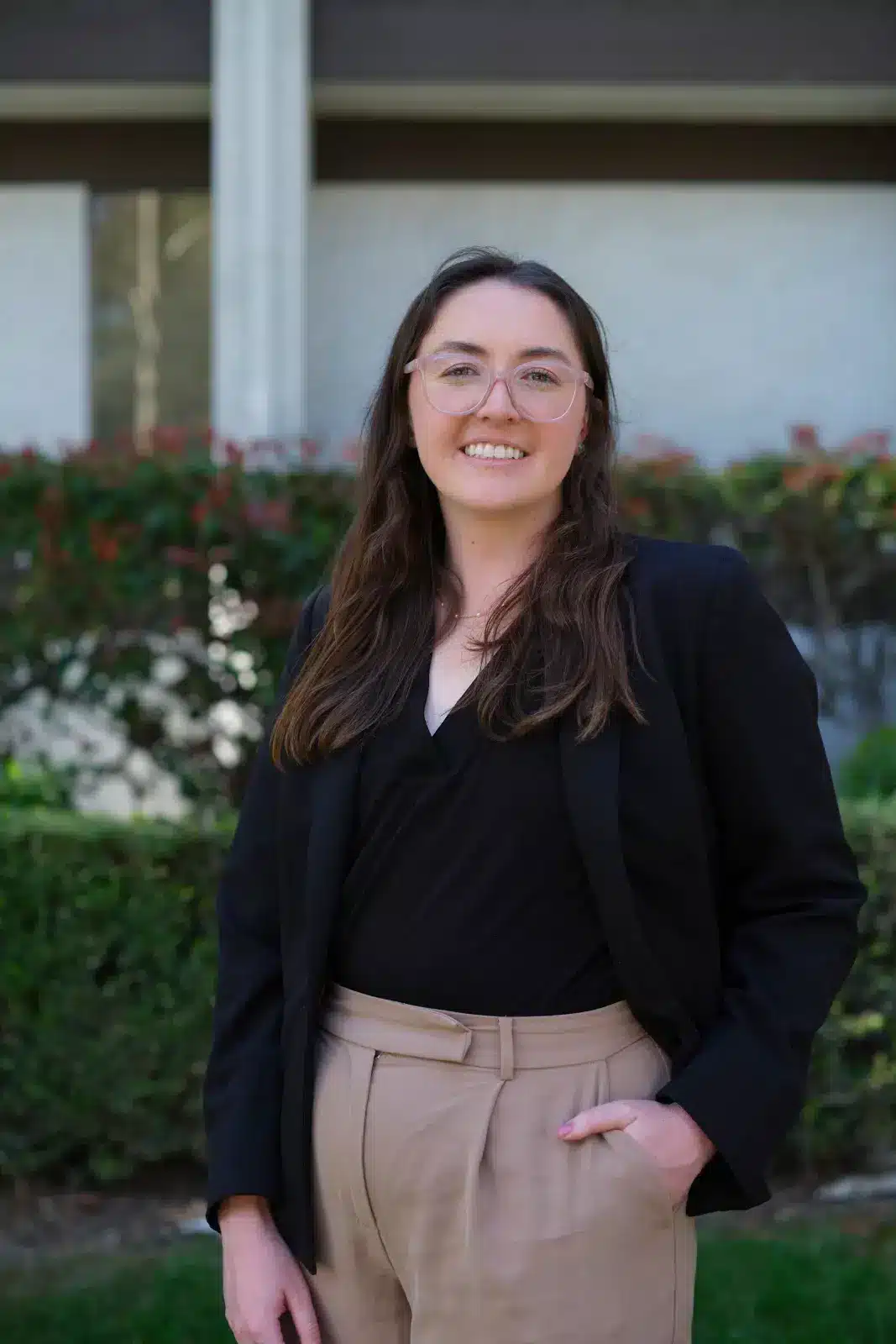
Alana Wilson
TRIAL ATTORNEY
Alana Wilson is a criminal defense attorney with experience in public defender offices, legal clinics, and criminal defense advocacy. She specializes in cases involving mental health, juvenile and youthful offenders, and domestic matters, and is dedicated to providing strategic and personalized representation.
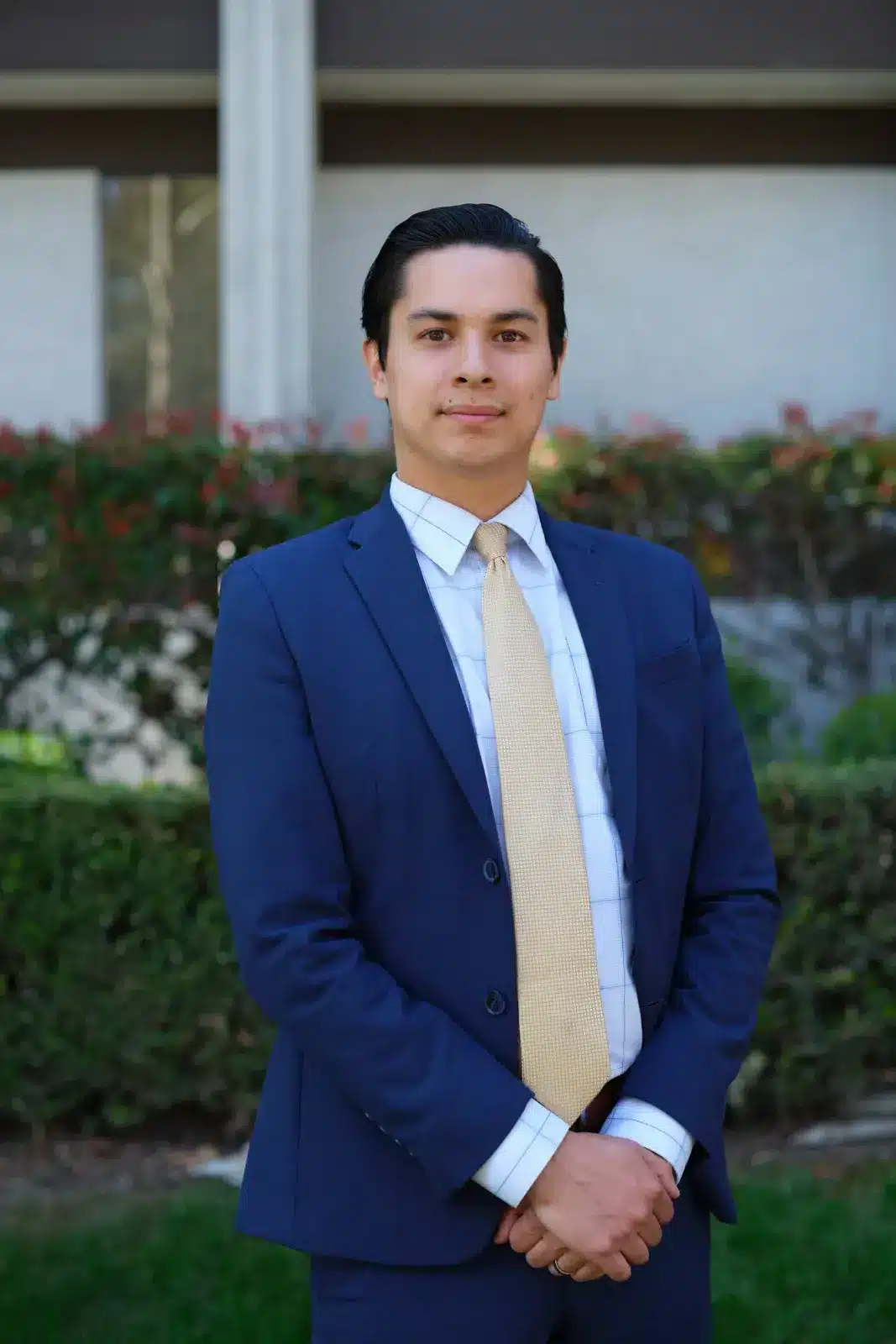
Dustin Ercolano
TRIAL ATTORNEY
Dustin Ercolano is a criminal defense attorney with experience in public defender offices and legal clinics, including appellate and post-conviction work. He specializes in complex criminal matters and cases involving veterans and active-duty service members, and is committed to strategic, thorough, and client-focused defense.

Wayne Autry
IN-HOUSE INVESTIGATOR
Wayne Autry is our in-house investigator and a retired police detective. He spent a career building the kind of case that’s now built against our clients — and he knows where the weak seams are. He works your case from the beginning, which is the single biggest reason we find things other lawyers don’t.
Hablamos Español
Su abogado de defensa criminal habla español.
Alex Martin es abogado litigante de nuestro equipo y hablante nativo de español. Usted habla directamente con él — desde la primera consulta hasta el juicio. Sin traductor, sin malentendidos. La consulta es confidencial.
Our senior trial attorney Alex Martin is a native Spanish speaker. Spanish-speaking clients work with a lawyer in their own language, start to finish.
INSIGHTS & MEDIA
Legal Resources For You
Explore legal strategies, articles, and case law educational videos.


COMMON QUESTIONS
Questions people ask us first
TALK TO US
Call us. We’ll tell you the truth about where you stand.
No pressure and no sales pitch. You tell us what happened, we tell you what you’re facing and what can be done about it. If we’re not the right firm for your case, we’ll say so and point you somewhere better.
Free · Confidential · Hablamos español
DIRECT LEGAL STRATEGY HOTLINE

